BBL® BroadBand Light™
The gold standard for photodamage — clears sun spots, redness and mottled tone across face and body.
From $80View treatment
Much of Australian sun damage sits invisibly beneath the surface. Imaging reveals the true extent, and a staged plan clears it before it consolidates.
Book a consultation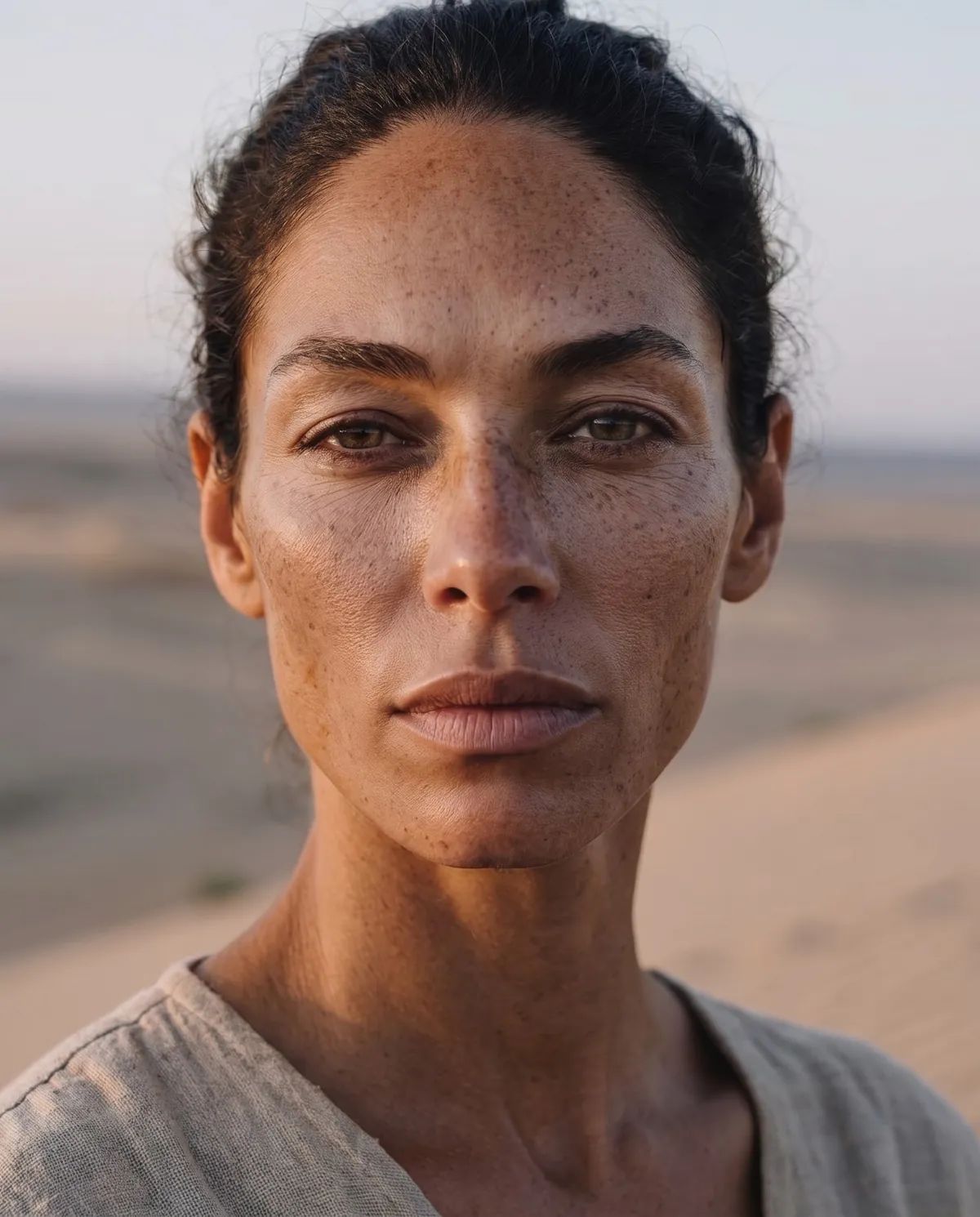
Sun damage can appear as freckles, sun spots, uneven pigmentation, redness, rough texture and fine lines. In Australia, this visible change often reflects years of cumulative UV exposure rather than a single episode of sunburn.
At neoSKiN, we assess the visible concern before creating a treatment plan. Any new, changing, irregular or suspicious lesion must be medically checked before cosmetic light, laser or resurfacing treatment.
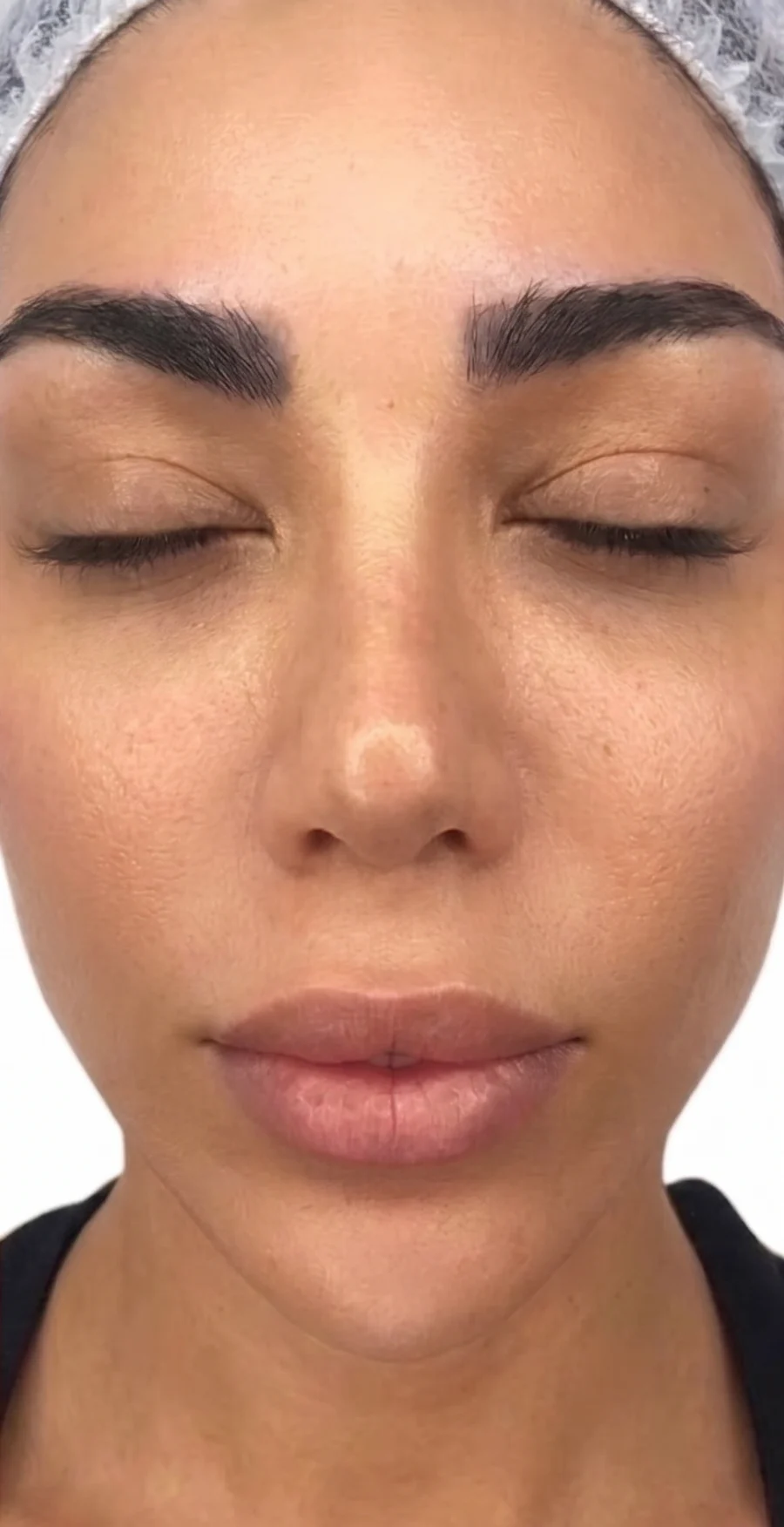
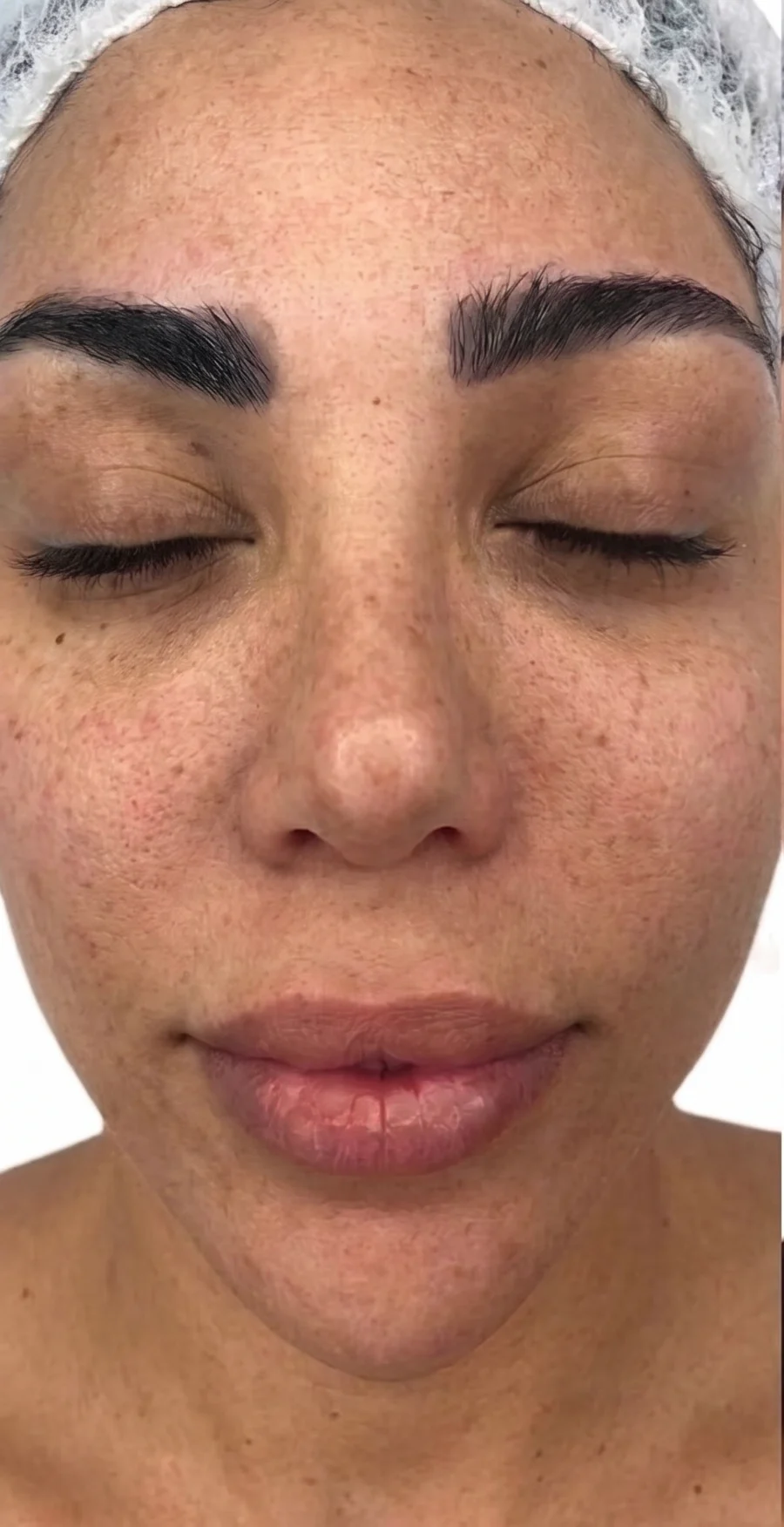
Ultraviolet radiation can affect pigment-producing cells, collagen, elastin and small blood vessels. The result may be a combination of:
Because sun damage involves different skin structures, a combination plan may be more appropriate than relying on one treatment.
We consider your skin tone, recent tanning, history of pigmentation, medication, current routine and the type of visible change. A patch test or period of skin preparation may be required.
Avoid deliberate tanning and tell your clinician about any recent sun exposure. Treating recently tanned skin can increase risk and may mean postponing the appointment.
Depending on suitability, options may include:
Your plan may stage treatments across a course, allowing the skin to recover and progress to be reviewed.
No cosmetic treatment makes skin immune to future UV damage. Daily broad-spectrum SPF, shade, protective clothing and avoiding peak UV exposure help protect both the skin and your treatment progress.
Maintenance needs vary. We will explain whether follow-up treatment is intended to address remaining concerns or maintain the result.
No. A lesion must be suitable for cosmetic treatment. Anything new, changing or clinically concerning needs medical assessment first.
Suitable superficial pigment can temporarily darken before gradually flaking or fading. The response depends on pigment type, depth and individual skin.
They target different aspects. BBL is often selected for visible colour such as pigment and redness, while Moxi may be used for suitable tone and texture concerns. Some plans combine them.
Treated concerns may improve, but continued UV exposure can create new damage or stimulate pigment. Ongoing sun protection is essential.
The gold standard for photodamage — clears sun spots, redness and mottled tone across face and body.
Gently resurfaces UV-damaged skin, refining texture and preventing accumulated damage from progressing.
Supports light-based sessions by lifting damaged surface layers and stimulating fresh cell turnover.
Pigment returns with sun exposure, so daily protection matters more here than any single active.
A 30-minute consultation with a senior clinician — honest advice and a written plan. $60, fully redeemable against treatment booked within two weeks.
Book a consultationOr call (03) 9699 1200 · 175 Wells Street, South Melbourne