BBL® BroadBand Light™
Targets surface pigment directly — light energy lifts sun spots and uneven tone with minimal downtime.
From $80View treatment
Sun spots, hormonal melasma and post-inflammatory marks each sit at a different depth in the skin — so the first step is mapping yours with imaging, then choosing the wavelength that reaches it.
Book a consultation
Pigmentation is not one condition. Freckles, sun spots, post-inflammatory marks and melasma can look similar but behave very differently. Treating visible colour without understanding its likely source can lead to disappointing results and, in some cases, make pigmentation more difficult to manage.
At neoSKiN, assessment comes first. We consider the pattern, colour, depth and triggers of visible pigmentation before discussing light, laser, peel or home-care options.
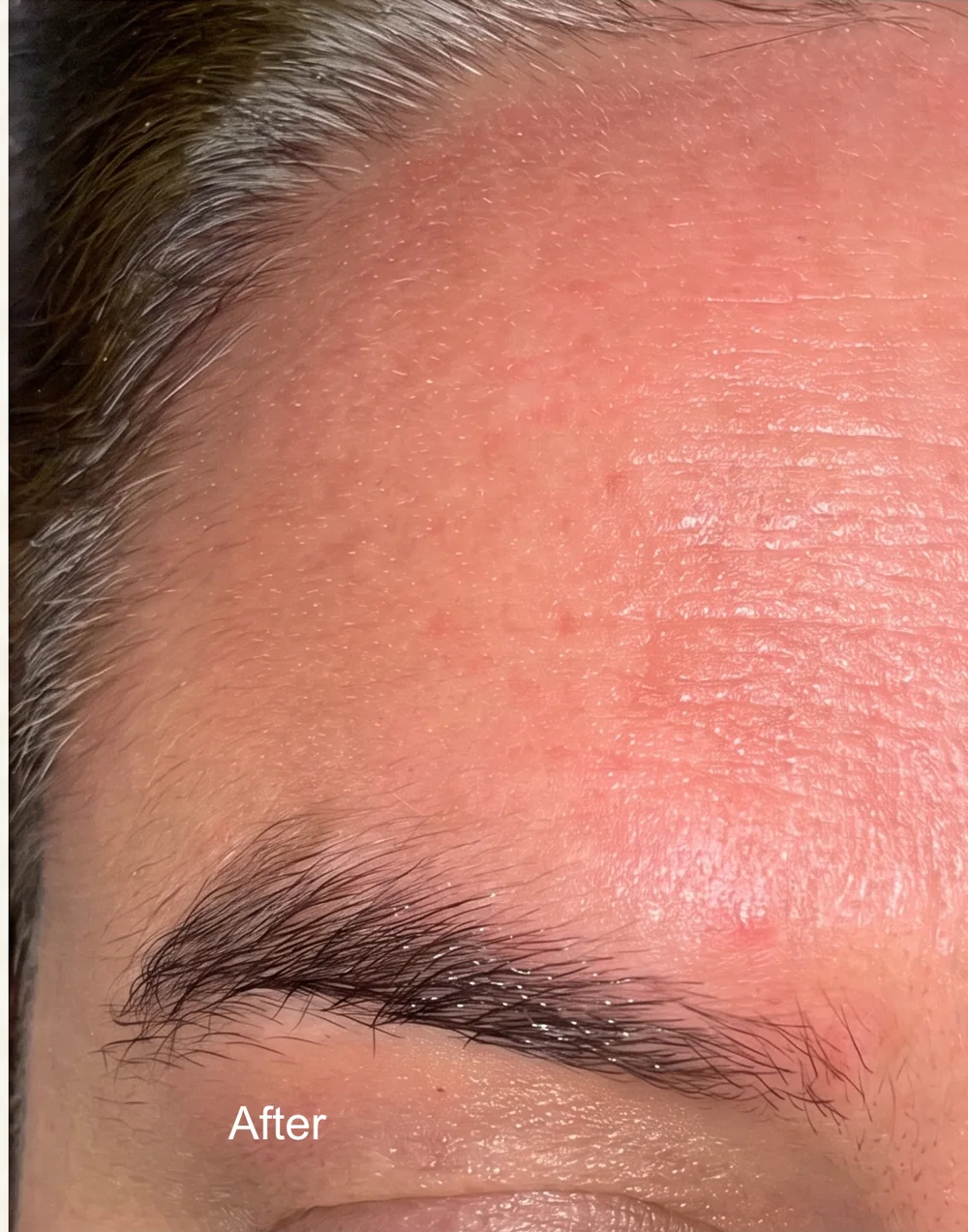
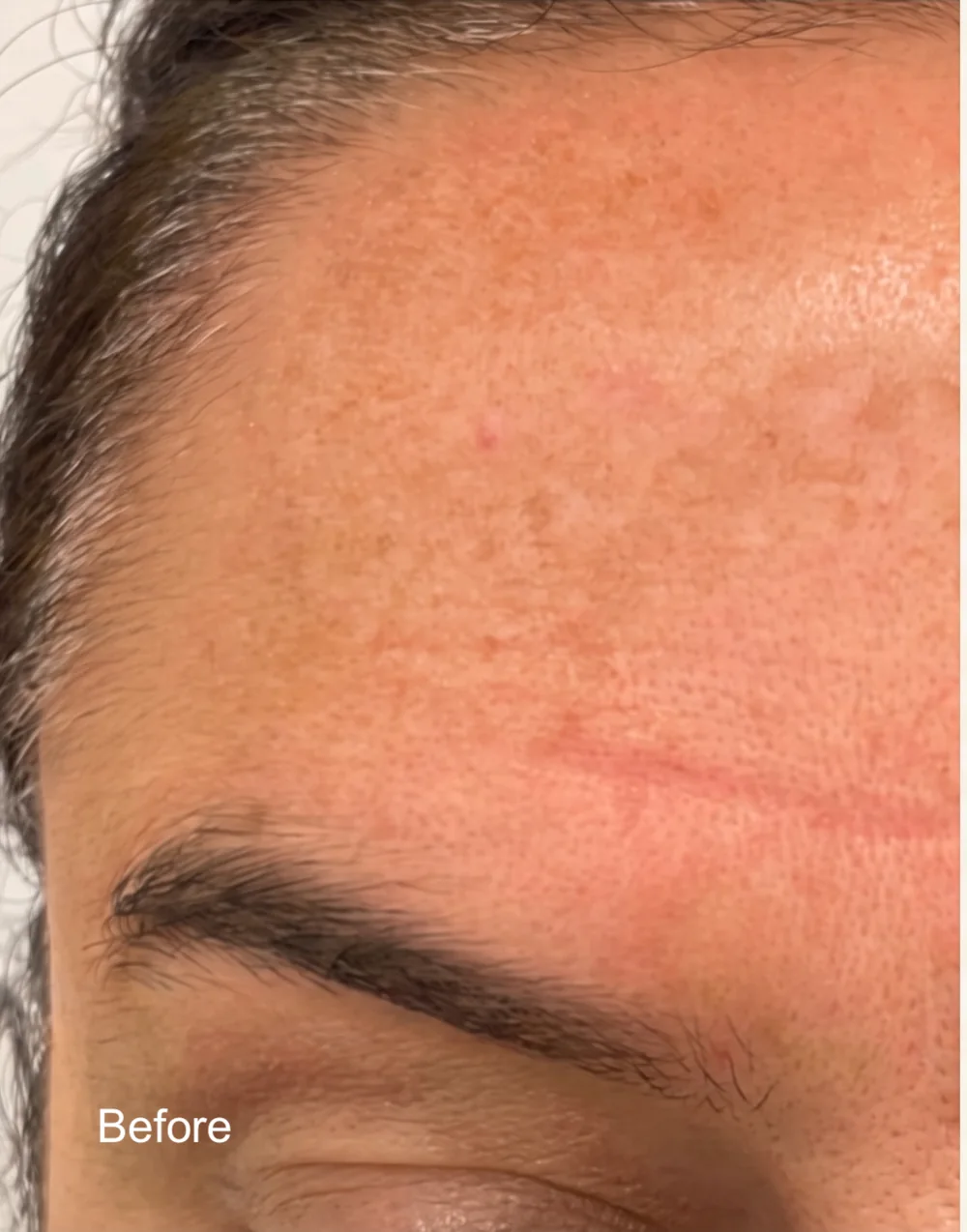
Pigmented lesions that are new, changing, irregular, bleeding or otherwise concerning must be medically assessed before cosmetic treatment.
Skin tone, recent tanning, medication, hormones, heat exposure, previous treatment and the tendency to develop post-inflammatory pigment all affect suitability. Melasma in particular often requires long-term management rather than a one-off treatment.
Your clinician may recommend skin preparation before an advanced peel, BBL or laser treatment. Daily broad-spectrum SPF and a suitable home routine are central to maintaining progress.
Depending on assessment, your plan may include:
Not every pigmentation treatment is suitable for melasma. Heat and inflammation can be triggers, so conservative assessment and maintenance planning matter.
Some superficial pigment may darken temporarily before it flakes or fades. Other forms improve gradually across a series. Recurrence is possible, particularly with sun exposure, hormonal triggers or melasma.
We will explain whether the goal is clearance, visible reduction or ongoing management. No responsible plan can promise that pigmentation will never return.
No. UV exposure can worsen both, but melasma is a recurring pigment condition influenced by multiple factors, including hormones, visible light and heat. It often needs a different management strategy.
Any treatment that creates heat or inflammation has the potential to worsen some pigment conditions or cause post-inflammatory change. Correct diagnosis, device selection, conservative settings and aftercare are essential.
UV exposure can stimulate pigment and undermine treatment progress. Daily broad-spectrum SPF, shade and other sun-protective measures are part of the treatment plan, not an optional extra.
It depends on pigment type, depth, skin tone, treatment selected and individual response. Your clinician will outline a staged plan after assessment.
Targets surface pigment directly — light energy lifts sun spots and uneven tone with minimal downtime.
Non-ablative laser that clears deeper, stubborn pigment and melasma while renewing overall tone.
Ultra-short pulses shatter dense or resistant pigment that other wavelengths can't shift.
Clinical-grade peels accelerate turnover, fading surface discolouration between light-based sessions.
Pigment returns with sun exposure, so daily protection matters more here than any single active.
A 30-minute consultation with a senior clinician — honest advice and a written plan. $60, fully redeemable against treatment booked within two weeks.
Book a consultationOr call (03) 9699 1200 · 175 Wells Street, South Melbourne